

The Collectibles Trap: When Your Hobby Becomes a Bad Investment
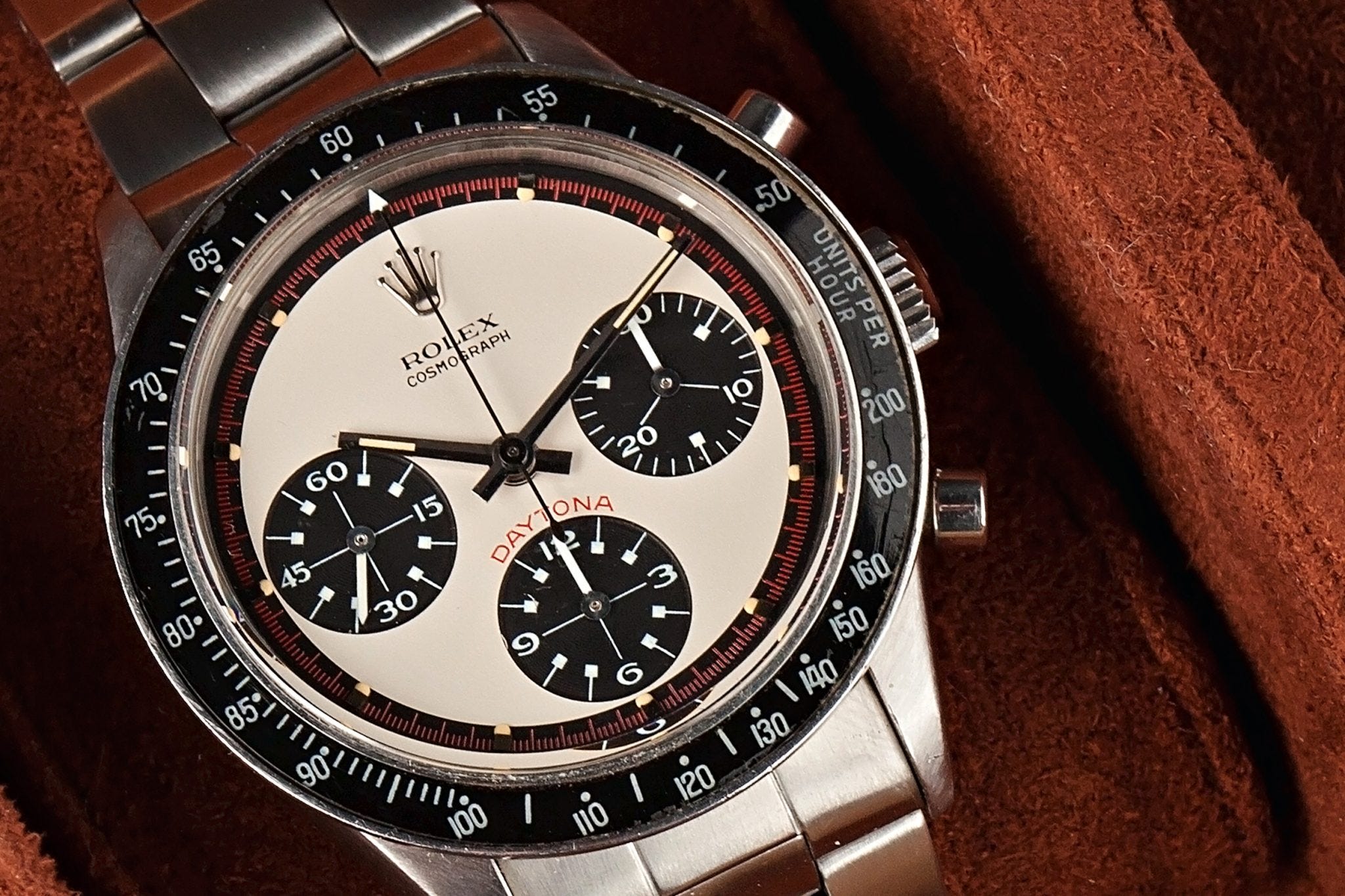
Why that vintage baseball card probably isn't your retirement plan - but a Paul Newman Daytona could be!

Pre note…Emily and I are 1000% going to do a Substack live on this topic…its very applicable to us!
I was reorganizing my office last week and came across a box of baseball cards from my childhood. My first thought wasn’t nostalgia—it was dollar signs. That’s what our culture has done to hobbies. Everything’s becomes a potential side hustle, an investment vehicle, a way to “make passive income.”
My wife Emily collects designer bags. I’ve got sports cards, comics, bourbon and watches. And yeah, I’m guilty of justifying most of these purchases by telling myself they’re “investments.” But here’s what most people pushing the collectibles-as-assets narrative won’t tell you: for every Mickey Mantle rookie card that sells for millions, there are ten thousand cards sitting in someone’s attic worth exactly what they paid for them…or less.
The collectibles market has exploded over the past five years. What started as hobbies have morphed into alternative asset classes that some people treat like stocks or real estate. The problem? Most collectors are making terrible financial decisions because they’re mixing emotion with investment strategy.
Money Matters: The Collectibles Gold Rush
The numbers are real. A 1952 Topps Mickey Mantle card sold for $12.6 million in 2022. Hermès Birkin bags have outperformed the S&P 500 in some years. A Rolex Daytona “Paul Newman” went for $17.8 million (such a beautiful watch!!!). These headline-grabbing sales have convinced an entire generation that their hobbies should be part of their wealth-building strategy.
The collectibles boom really took off during COVID. People were stuck at home, nostalgic, and had stimulus money burning holes in their pockets. The sports card market went absolutely insane. Suddenly everyone was an “investor” in rookie cards, sneakers, Pokémon cards, vintage video games, bourbon bottles, and whatever else could be flipped on eBay or StockX.
Here’s what actually drives collectibles values: scarcity, condition, authentication, and cultural relevance. That Hermès bag appreciates because Hermès intentionally limits production and maintains exclusivity lists. That vintage gold Rolex holds value because certain models were discontinued and the brand has maintained its luxury positioning…or simply because the price of gold is at a record high. That comic book is worth money because it’s graded, authenticated, and represents a culturally significant moment (like Superman’s first appearance).
Keep reading with a 7-day free trial
Subscribe to In Leyman's Terms to keep reading this post and get 7 days of free access to the full post archives.